When your husband does not seem to care about your feelings

Short answer
A husband who seems not to care about your feelings is often not indifferent but untrained: he notices problems to solve, not emotions to acknowledge. It becomes a real concern when he dismisses you even after you have said clearly what you need. Naming one specific need, calmly and early, changes more than repeating that he does not care.
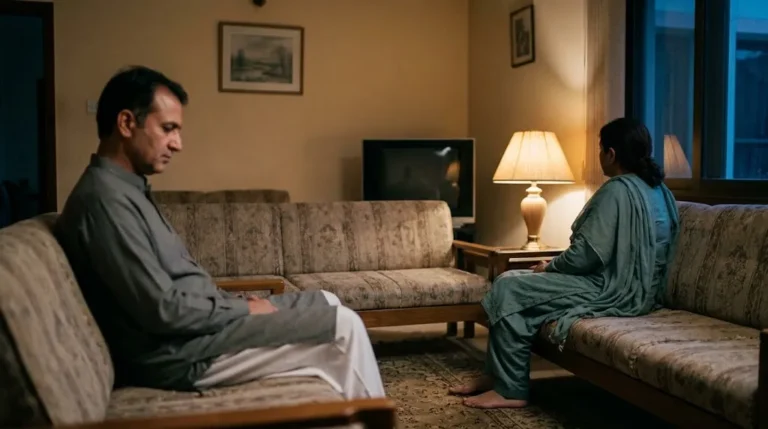
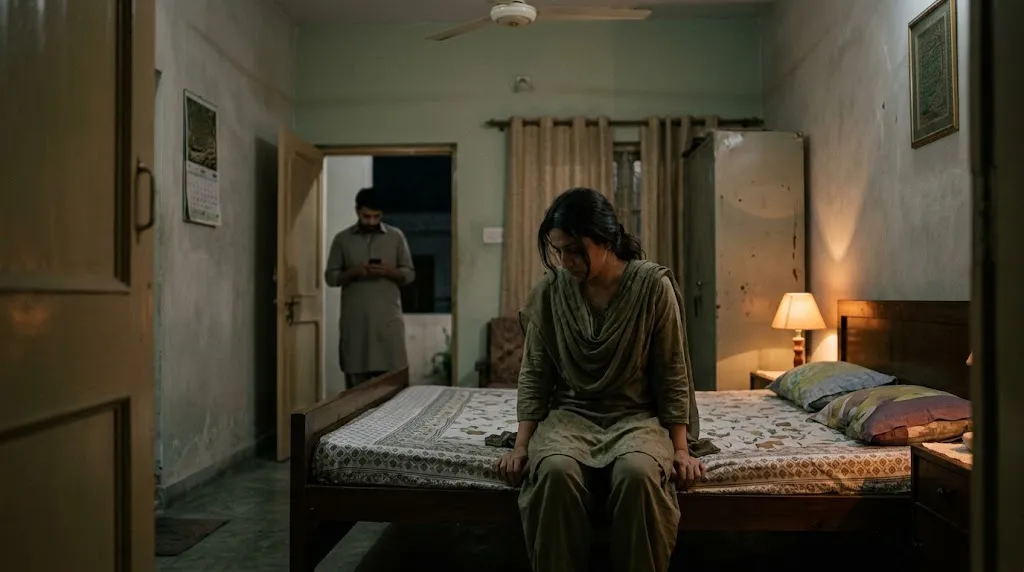
You tell him you had a terrible day and he tells you what you should have done. You cry after a phone call with your mother and he asks what is for dinner. You mention, again, that you feel alone in the marriage, and he says you are overthinking.
After enough of these moments the conclusion writes itself: he does not care. Sometimes that is true. Much more often something else is going on, and the difference matters because the two situations need completely different responses.
Three different things that look the same
He does not know what caring looks like to you
Many men here grew up in homes where love was shown by providing, fixing and protecting, not by asking how someone felt. When you describe a bad day, he hears a problem and offers a solution because, to him, that is care. To you it feels like being handled.
He feels blamed and shuts down
If most conversations about feelings have ended with him being told what he did wrong, he may have learned to go blank the moment one starts. It looks like coldness. It is usually self-protection.
He genuinely does not prioritise you
This is the version everyone fears, and it does exist. The signs are different: he knows what you need because you have told him clearly, it costs him little, and he still does not do it, repeatedly, while finding time and warmth for others.
How to tell which one you are dealing with
Ask yourself three honest questions.
- Have I said the need plainly, once, without it being wrapped in a complaint? “You never care” is a verdict. “When I am upset I need you to sit with me for ten minutes before you suggest anything” is a need.
- When he does get it right, what happens? If he tries and is told it was not enough or too late, he learns trying is pointless.
- Is he warm anywhere? With his children, his friends, his mother? Someone who is warm elsewhere but not with you points to a problem between you rather than an inability.
What to say instead of “you don’t care”
That sentence almost never works, because he will defend himself against the accusation rather than hear the hurt underneath it. Try three parts instead: what happened, how it felt, and one thing that would help.
“When I told you about Ami’s call and you started talking about the electricity bill, I felt like I did not matter. Next time, can you just ask me what happened before we move on?”
It is specific, it is short, and it gives him something he can actually do. Pick a calm moment, not the middle of the hurt.
Small changes that tend to help
- Tell him which mode you want. “I don’t need advice, I need you to listen” saves both of you a lot of frustration.
- Notice and name it when he gets it right. Not as praise for a child, just as information: “That helped, thank you for sitting with me.”
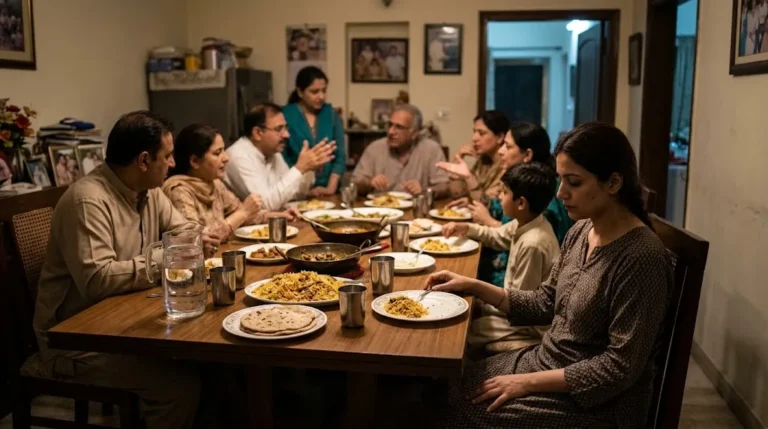
- Make one regular time to talk that is not about children, money or family logistics. Fifteen minutes after the children sleep is enough to start.
- Stop saving everything for one conversation. A year of stored hurt delivered at once is impossible for anyone to hear.
When it is more than a communication gap
Be honest if the pattern includes mocking you when you express feelings, telling you that you are imagining things, cutting you off from your family, or controlling money so you cannot act. That is not a husband who does not know how to comfort you. It is a pattern that needs outside support, and your own wellbeing comes first.
Where counseling fits
Couple sessions are useful here because the gap is often invisible to both people until a third person describes it. Research on couple therapy finds most couples who attend benefit, and many men find it easier to hear “this is what your wife needs” from someone neutral than from a wife who is already upset.
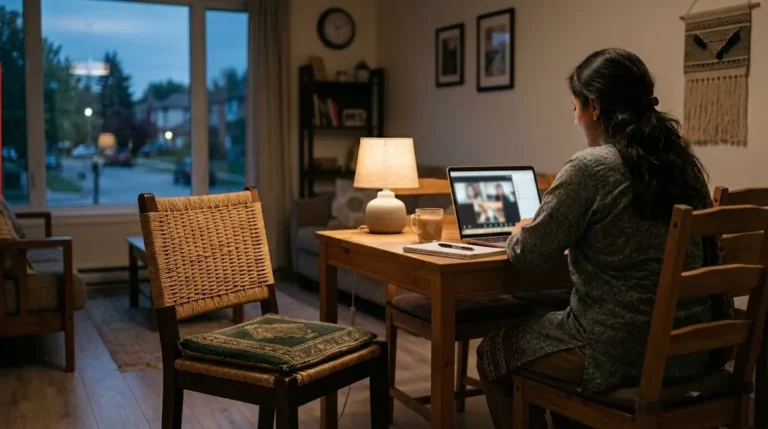
If he will not come, individual counseling still helps: it gives you somewhere to be heard, and it helps you work out which of the three situations you are in. You can also read what to do when your partner refuses counseling.
What the research says
- A review of a decade of research found couple therapy helped around 70% of couples who received it, with results comparable to individual therapy. [1]
- Talking therapies involve speaking with a trained professional about your thoughts, feelings and behaviour, and are used for a wide range of difficulties. [2]
Sources
- Lebow JL, Chambers AL, Christensen A, Johnson SM. Research on the treatment of couple distress. Journal of Marital and Family Therapy, 2012. europepmc.org
- NHS. Talking therapies (reviewed 5 November 2025). www.nhs.uk
Common questions
Why does my husband not care about my feelings?
Often he does care but shows it through providing and fixing rather than listening, or he has learned to shut down when feelings come up because those conversations usually end in blame. Genuine indifference looks different: he understands what you need and still repeatedly chooses not to do it.
How do I make my husband understand my feelings?
Say one specific need at a calm moment: what happened, how it felt and one thing that would help. Avoid the sentence ‘you don’t care’, which invites defence rather than listening.
Is it normal for a husband to ignore his wife’s feelings?
It is common, especially in the first years of marriage and after children arrive, but common does not mean it has to stay that way. It usually improves when needs are stated plainly and noticed when met.
When should I worry that it is emotional abuse?
When your feelings are mocked, you are told you are imagining things, you are cut off from family or friends, or money is used to control you. Those need individual support before any joint work.
Can counseling help if my husband won’t attend?
Yes. Individual sessions help you understand the pattern and change your half of it, and sometimes that is what brings the other person in later.
Last reviewed 5 October 2026. General information, not a diagnosis. If you are in danger or thinking of ending your life, call Rescue 1122 or Umang’s 24-hour helpline on 0311 7786264. All helplines in Pakistan.
Ten minutes is enough to find out whether this helps.