The silent treatment, and what it does to a marriage
Short answer
Extended silence after conflict is not the same as taking a break. A break has a stated end; silence has none, and it leaves the other person waiting indefinitely for a punishment to lift. It usually comes from a genuine inability to argue well rather than from cruelty, and it stops when the couple agrees a time to resume.
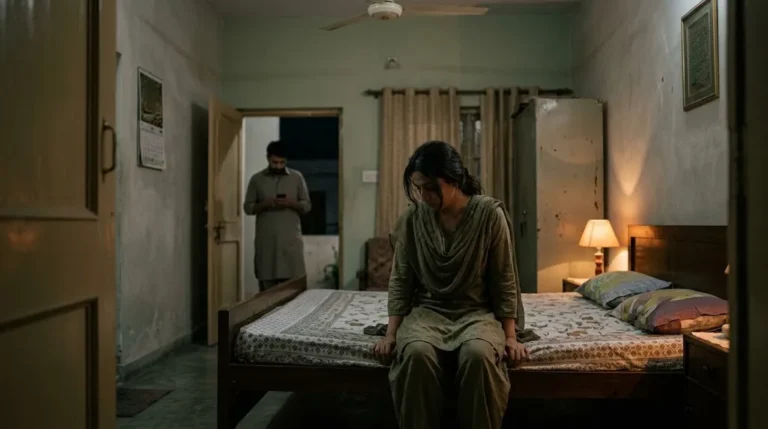
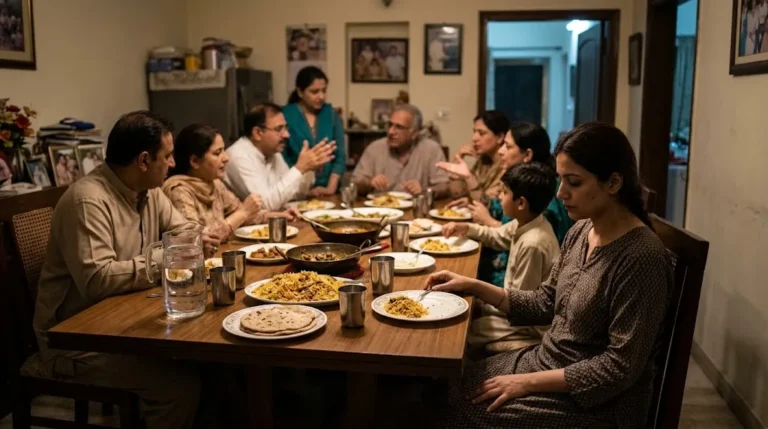
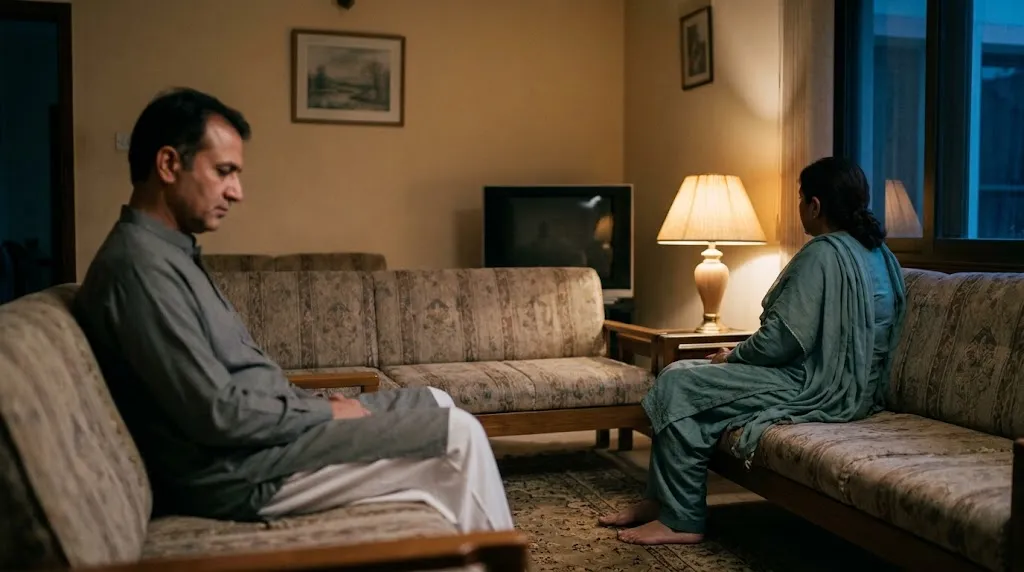
Two or three days without a word is common enough in marriages here that people describe it as normal. Food is cooked and served. Children are managed. The household runs. Nothing is said between the two adults in it.
Then it lifts, without discussion, and life resumes until the next one.
The difference between a break and silence
Stopping an argument is often the right thing to do. Past about twenty minutes of heated conflict most people cannot think clearly, and continuing produces damage rather than resolution.
But a break has an end that has been said out loud. “I cannot do this now, let us talk at nine.” The other person knows what is happening and when it finishes.
Silence has no stated end. The other person is left guessing how long, whether this is the one that does not lift, and what they are supposed to do to end it. That uncertainty is the entire difference, and it is what makes silence corrosive where a pause is not.
Why people do it
Rarely calculated cruelty, though it is very often experienced that way.
- They cannot argue without escalating, and have learned that silence produces less wreckage than what they would otherwise say. This is the most common reason by some way.
- It is what they grew up with. In a house where this was how conflict was handled, it is simply the available method.
- It works. Uncomfortably, it often does produce an apology, so it gets repeated.
- They are waiting to be pursued, because being followed proves they matter.
- They have given up, which is the most serious version, and here the silence is not a tactic but an accurate report on the state of the marriage.
What it does to the person on the other end
Being cut off by someone you live with produces genuine distress, not mild annoyance. The person waiting usually reports:
- Constant monitoring for signs of thaw.
- Apologising for things they do not believe they did, purely to end it.
- Walking on eggshells for days after it lifts, because nothing was resolved.
- Over time, raising nothing at all, because the cost is three days of this.
That last one is why it damages marriages so effectively. It does not settle arguments. It teaches the other person not to start them, which looks like peace and is actually a marriage with most of its subjects removed.
If you are the one going silent
The change required is not staying in an argument you cannot manage. It is one sentence before you withdraw, and honouring it.
“I am too angry to talk properly. I am not leaving this. We will talk after Isha.”
Then talk after Isha, even if it is brief and awkward. The sentence removes the abandonment, and the honouring is what makes the sentence worth anything next time.
If the reason you withdraw is that you become someone you do not like when you argue, that is worth working on directly rather than managing around for another decade. Anger management counseling exists for exactly this, and it is not only for people who shout.
If you are the one waiting
Stop pursuing during it
Following someone around the house asking what is wrong extends it. Say once that you are ready to talk when they are, and then genuinely carry on with your day.
Do not apologise to end it
An apology given to buy peace teaches that silence works and guarantees the next one. It is the single most understandable and most counterproductive move available.
Raise it when things are calm
Not during a silence, and not in the hour after one lifts. A week later, on an ordinary evening: “When we do not speak for three days I cannot function. Can we agree that whoever needs to stop says when we are picking it up again.”
When it is more than a bad habit
There is a line worth naming. If the silence is used deliberately and repeatedly to punish, if it is combined with controlling what you do and who you see, if you are being told you are imagining it, this stops being a communication problem and becomes something else. Emotional abuse is not a stronger word for a difficult marriage; it is a different situation, and it needs individual support before any joint work.
If there is any violence, safety comes first and that is not a counseling question.
Getting help
This pattern responds well to joint work because it is so visible once described. Marriage counseling is 90 minutes with both partners, and agreeing a workable repair routine is often achievable early.
If your spouse will not attend, individual counseling still changes the dynamic, because the pursuit and the apology-to-end-it are your half of it and they are interruptible without anyone’s cooperation.
Common questions
Is the silent treatment emotional abuse?
It depends on intent and pattern. Withdrawing because you cannot argue without escalating is a communication problem. Using silence deliberately and repeatedly to punish and control, particularly alongside restricting what someone does, is emotional abuse and needs a different kind of support.
How long is too long to go without speaking after an argument?
There is no fixed number, but the distinction that matters is whether an end was stated. A two-hour break with an agreed time to resume is healthy. Two days with no indication of when it ends is not.
Should I apologise just to end the silence?
It is understandable and it reliably makes the next one more likely, because it demonstrates that silence produces the desired result. Saying once that you are ready to talk and then carrying on with your day works better.
Why does my husband go quiet instead of arguing?
Most commonly because he has learned that arguing goes badly and silence causes less immediate damage, or because it is how conflict was handled in the house he grew up in. It is usually not intended as punishment even when it is experienced that way.
Can counseling fix this if only one of us attends?
Yes, partly. The pursuing and the peace-buying apology are one person’s half of the cycle and changing them alters how the whole thing runs. Joint sessions are more effective where both will attend.
What should I say instead of going silent?
One sentence before you withdraw, and then honour it: that you are too angry to talk well, that you are not walking away from the marriage, and a specific time you will pick it up. The stated end is what turns silence into a break.
Ten minutes is enough to find out whether this helps.
What the research says
- A review of a decade of research found couple therapy helped around 70% of couples who received it, with results comparable to individual therapy. [1]
Sources
- Lebow JL, Chambers AL, Christensen A, Johnson SM. Research on the treatment of couple distress. Journal of Marital and Family Therapy, 2012. europepmc.org
Last reviewed 29 September 2026. General information, not a diagnosis. In an emergency call Rescue 1122 or Umang’s 24-hour helpline on 0311 7786264. All helplines in Pakistan.