When your husband does not respect you

Short answer
Disrespect in marriage usually shows up as dismissing your opinions, mocking you in front of others, or making decisions that affect you without asking. Raise it about one specific incident, calmly and privately, and name the behaviour rather than his character. If it continues after being clearly raised, or comes with control or threats, it needs outside support.
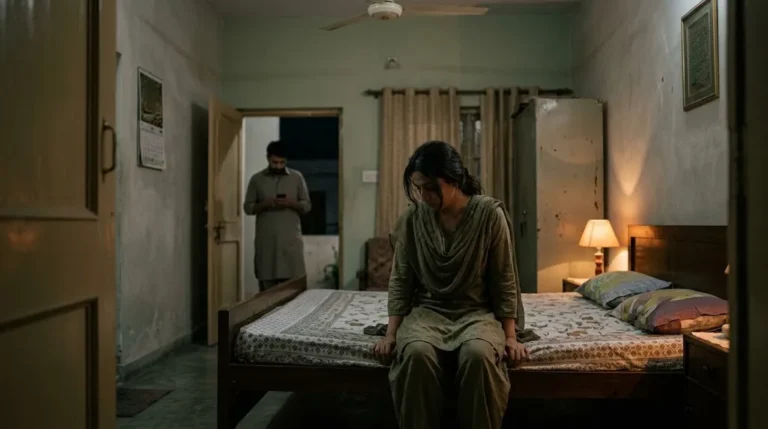
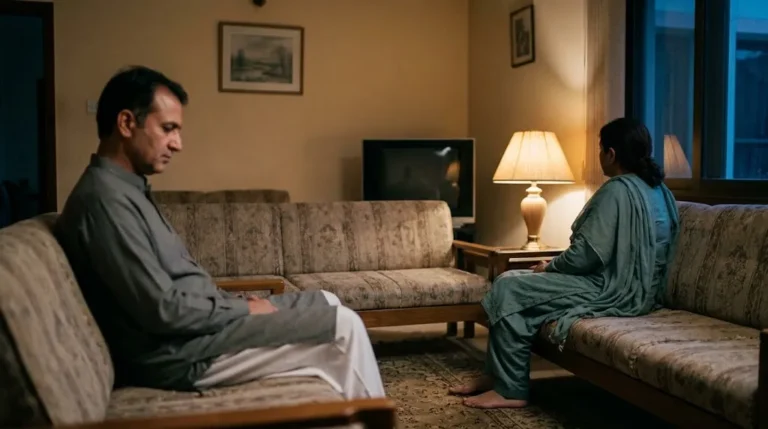
Respect is rarely lost in one moment. It wears away through small things that are each easy to let pass: a joke at your expense in front of his brothers, a decision about your own job made without you, an eye-roll when you speak.
Each one on its own seems too small to fight about. Together they change how you see yourself, and that is the real damage.
What disrespect tends to look like
- Dismissing your opinion, especially on things you know more about than he does.
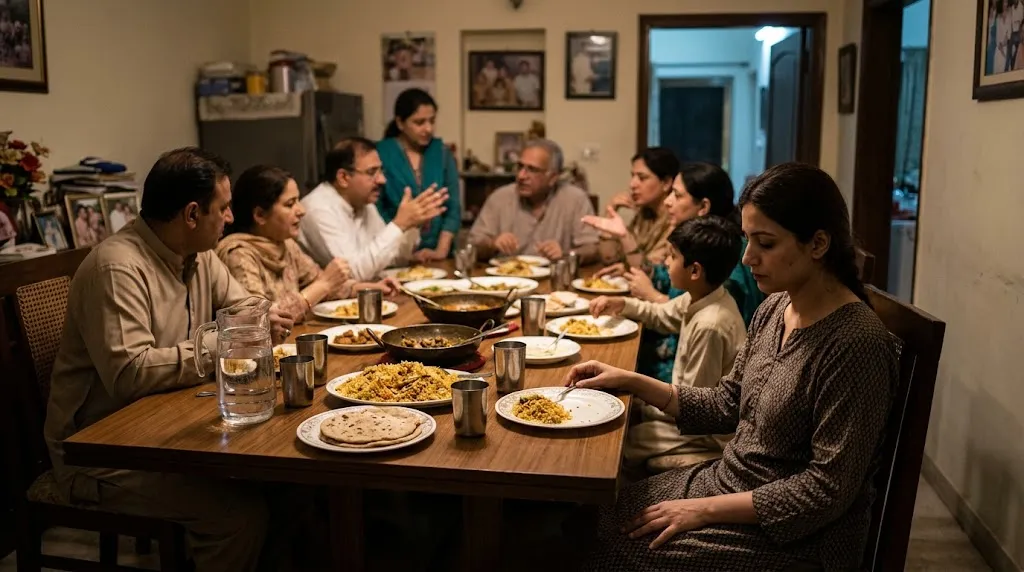
- Mocking or correcting you in front of others, including his family, your children or guests.
- Deciding for you: where you will live, whether you will work, when you will visit your parents, without a conversation.
- Talking to you as if you are a child, or explaining things you did not ask about.
- Ignoring agreements you made together, as if your side of them did not count.
- Siding with others against you by default, whatever the facts.
Why it happens
Understanding why does not excuse it, but it tells you what might change it.
Some men were raised watching their father speak to their mother this way and simply do not notice they are repeating it. Some feel insecure and put their wife down to feel bigger, particularly in front of their own family. Some are under pressure from parents to show they are “in charge”. And some have stopped seeing their wife as a partner because the marriage has become a set of duties.
How to raise it so it is heard
One incident, not a history
“You never respect me” will be denied. “At your cousin’s dinner, when you laughed and said I cannot even cook rice properly, I felt humiliated” is much harder to argue with.
Privately, and not in the moment
Responding in front of his family usually turns it into a contest he feels he must win. Wait until you are alone and calm.
Say what you want instead
“If you disagree with me, tell me when we are alone. In front of others, I need you to back me up or say nothing.” A clear request gives him something to do rather than something to defend.
Protect your own view of yourself
Constant small put-downs have a way of becoming your own inner voice. Low self-esteem often grows exactly this way, from messages repeated until they feel true. Keep some things that are yours: a friendship, work, a skill, time with your own family. They are reminders that his view of you is one view, not the truth.
When it is not just disrespect
Take it more seriously if any of these are present:
- He controls your money, phone or movements.
- You are afraid of how he will react.
- He threatens divorce, your children or your family to win arguments.
- There is any physical violence, pushing or breaking of things.
These point to control and possible abuse rather than poor manners. Your safety and your own support come before any attempt to work on the marriage. If you are in danger, call Rescue 1122 or Police 15.
Can it change?
Often, yes, if he can see it. Many men are genuinely surprised when a neutral person describes what their wife has been experiencing. Marriage counseling is useful precisely because it is not you saying it again.
If he will not attend, individual sessions help you decide what you will accept, rebuild confidence that has been worn down, and plan your next step with a clearer head. You may also find self-esteem counseling useful if the put-downs have started to feel true.
What the research says
- A review of a decade of research found couple therapy helped around 70% of couples who received it, with results comparable to individual therapy. [1]
- Low self-esteem often starts with messages absorbed in childhood and can be worsened by stressful life events. NHS guidance notes that talking therapies can help. [2]
Sources
- Lebow JL, Chambers AL, Christensen A, Johnson SM. Research on the treatment of couple distress. Journal of Marital and Family Therapy, 2012. europepmc.org
- NHS. Raising low self-esteem (reviewed 11 April 2023). www.nhs.uk
Common questions
What are the signs that a husband doesn’t respect his wife?
Dismissing her opinions, mocking or correcting her in front of others, making decisions that affect her without asking, talking to her like a child, and ignoring agreements made together are the most common signs.
How do I make my husband respect me?
You cannot make anyone respect you, but you can make the behaviour visible. Raise one specific incident privately, describe how it felt, and state clearly what you want instead. Consistently following through on your own boundaries matters more than any single conversation.
Is disrespect in marriage a form of abuse?
Not always. Disrespect can be poor habits learned in childhood. It becomes abuse when it comes with control of money or movement, fear, threats or violence.
Should I respond when my husband insults me in front of his family?
Usually it works better to stay calm in the moment and raise it privately later, because a public argument tends to become a contest. The exception is if you feel unsafe, where your safety comes first.
Can marriage counseling help with disrespect?
Yes. Many husbands only understand the impact when a neutral person describes it. If he will not attend, individual counseling helps you set boundaries and rebuild confidence.
Last reviewed 13 October 2026. General information, not a diagnosis. If you are in danger or thinking of ending your life, call Rescue 1122 or Umang’s 24-hour helpline on 0311 7786264. All helplines in Pakistan.
Ten minutes is enough to find out whether this helps.