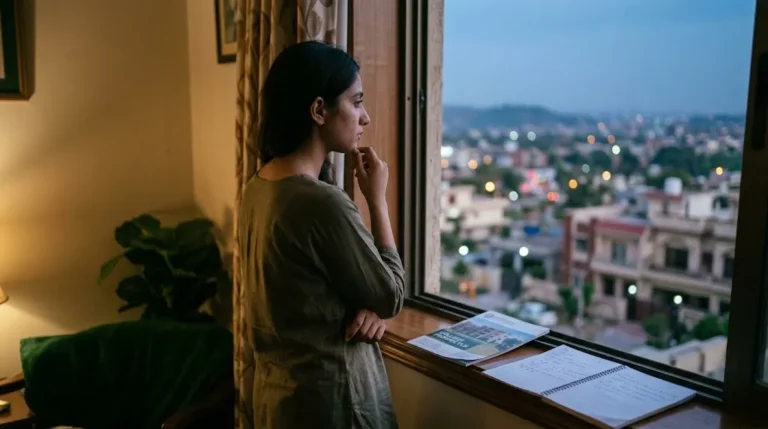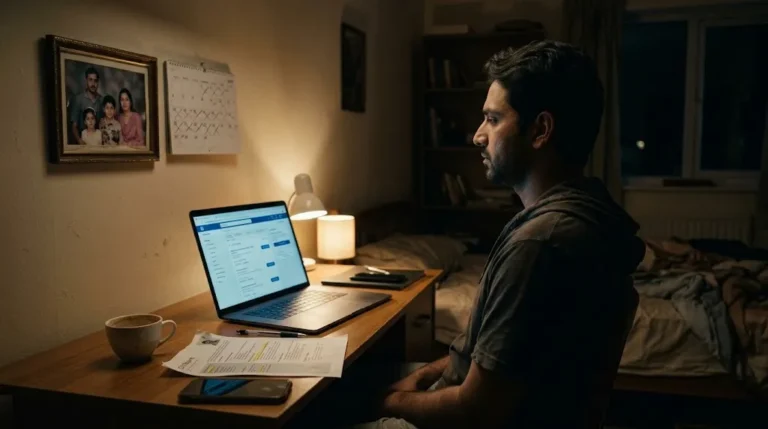
When your parents don’t understand you

Short answer
Many young people in Pakistan feel their parents do not understand them because their parents grew up in a very different world and express love through protection and control. Choosing calm moments, speaking to their fears, sharing a little of your world at a time, and finding one ally in the family help. If conflict affects your mental health, support helps.
Your parents grew up without smartphones, often without choice in education or marriage, and in a Pakistan that looked very different. You are growing up online, connected to a global world, with ideas and options they never had. It is not surprising that conversations sometimes feel like two languages.
Common sources of the gap
- Career and study choices.
- Friendships, especially across genders.
- Phone use and privacy.
- Clothing, going out, independence.
- Marriage timing and choice.
- Mental health itself: “What do you have to be depressed about?”
What sits behind parents’ reactions
Much of what feels like control is fear: of you being hurt, of what people will say, of you making choices they cannot protect you from. Many parents express love through worry and rules because that is how love was expressed to them.
This does not make every rule fair. It helps you understand which conversation you are actually having.
How to talk so they can hear
Choose the moment
Not in the middle of an argument or in front of relatives. A calm moment, one parent at a time if that is easier.
Speak to their fear
“I know you worry about my safety. Here is how I will stay safe” works better than “You never trust me.”
Share a little of your world
Show them what you are working on, introduce a friend, explain a trend. Understanding grows with small exposure.
Show responsibility first
Trust tends to follow reliability. Keeping small promises earns bigger freedoms.
Find an ally
An older sibling, aunt, uncle or grandparent who can speak for you or translate between generations.
Accept some things may not change
Some differences will remain. You can love them and still disagree.
When it affects your mental health
Constant conflict, feeling unheard, or harsh control can contribute to anxiety and depression. The WHO estimates one in seven young people aged 10 to 19 has a mental health condition. If you feel persistently low, anxious or hopeless, reach out. See parents who compare you to everyone.
Counseling for students gives you a confidential space, and sometimes family counseling can help parents and young people finally hear each other. WHO guidelines recommend parenting support to strengthen parent-child relationships.
What the research says
- WHO guidelines recommend parenting support to strengthen the parent-child relationship, reduce harsh parenting and lower parents' own stress. [1]
- One in seven young people aged 10 to 19 worldwide experiences a mental health condition. [2]
Sources
- World Health Organization. WHO guidelines on parenting interventions to prevent maltreatment and enhance parent-child relationships (2023). www.who.int
- World Health Organization. Mental health of adolescents, fact sheet (updated 1 September 2025). www.who.int
Common questions
Why don't my parents understand me?
Often because they grew up in a very different world, express love through protection and rules, and fear what might happen to you or what people will say.
How do I talk to my strict parents?
Choose a calm moment, speak to their fears, share a little of your world, show responsibility, and consider involving a trusted family member.
How do I explain mental health to my parents?
Describe what you are experiencing in practical terms, such as sleep, concentration and mood, share reliable information, and consider asking a counselor to help with the conversation.
Is it normal to fight with parents as a young adult?
Some conflict is normal as you become independent. Constant conflict that affects your wellbeing is worth addressing.
Can family counseling help parents and children?
Yes. Family counseling can create a structured conversation where both generations are heard, and WHO guidelines support parenting interventions.
Last reviewed 20 October 2026. General information, not a diagnosis. If you are in danger or thinking of ending your life, call Rescue 1122 or Umang’s 24-hour helpline on 0311 7786264. All helplines in Pakistan.
Ten minutes is enough to find out whether this helps.